The Wonders of Sedona
There’s more to Sedona than its iconic red rocks. Set amid Arizona’s spectacular Red Rock Country, Sedona is a place shaped by ancient geology, rich history, flowing creeks, star-filled skies and a deep connection to the natural world. From the story behind Sedona’s name to the landmarks hidden within its famous formations, there’s always something new to discover.
Sedona Geography & Red Rocks
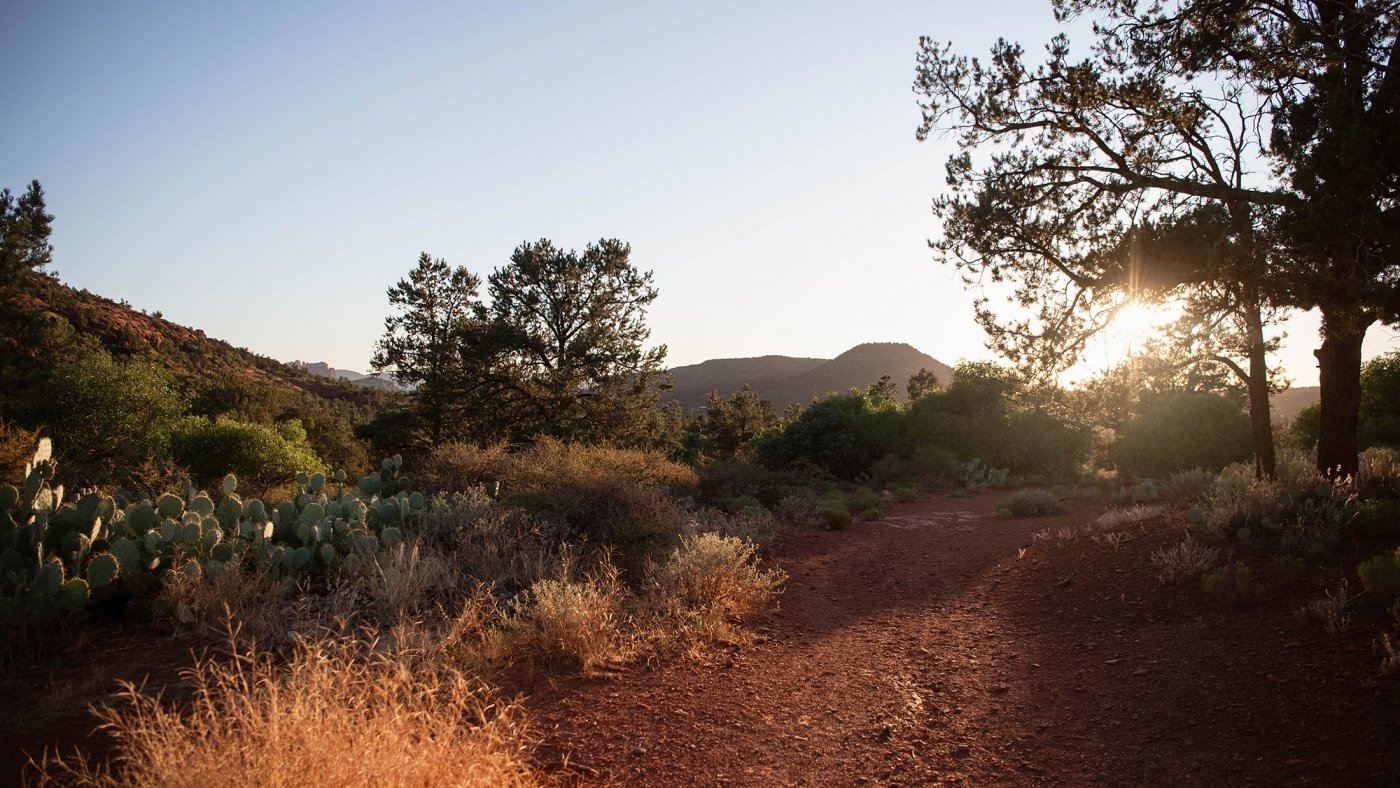
- Sedona sits at approximately 4,500 feet above sea level, giving it a high-desert climate quite different from the lower Arizona desert.
- Sedona is actually located in two counties: Coconino and Yavapai.
- Sedona is surrounded by an extraordinary amount of protected landscape—more than 1.8 million acres of national forest land encircle the community.
- The area’s dramatic landscape includes buttes, mesas, pinnacles and canyons, with layers of rock revealing different chapters of the region’s geologic history.
- A fun geology fact could explain why Sedona is red—the signature color comes from iron-bearing minerals in its sandstone. Learn More
Sedona History
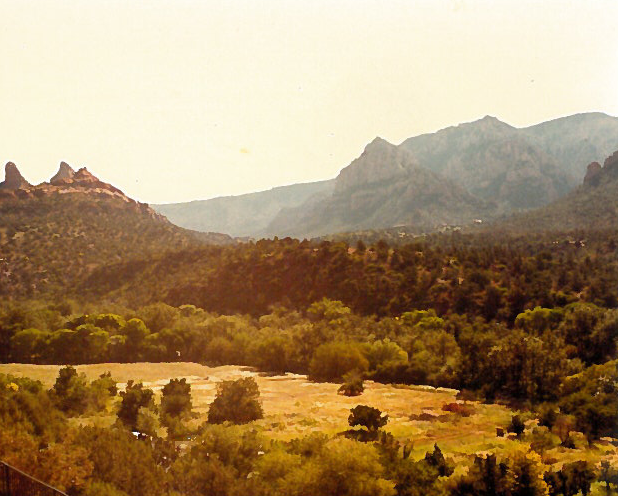
- Sedona was named after a person, not a geological feature. T.C. Schnebly named the community for his wife, Sedona Schnebly, in 1902.
- Before “Sedona” stuck, the area was known by names including Upper Oak Creek and Camp Garden.
- Sedona was founded in 1902 but wasn’t incorporated as a city until 1988.
- Sedona’s relationship with Oak Creek predates the modern city, the canyon and creek were central to early settlement of the area.
- Once known as “Arizona’s Little Hollywood,” Sedona has appeared in nearly 100 feature films. Its red rocks shared the screen with stars including John Wayne, Elvis Presley, Joan Crawford and James Stewart during the golden age of Westerns.
Stars, Skies & Sedona Quirks
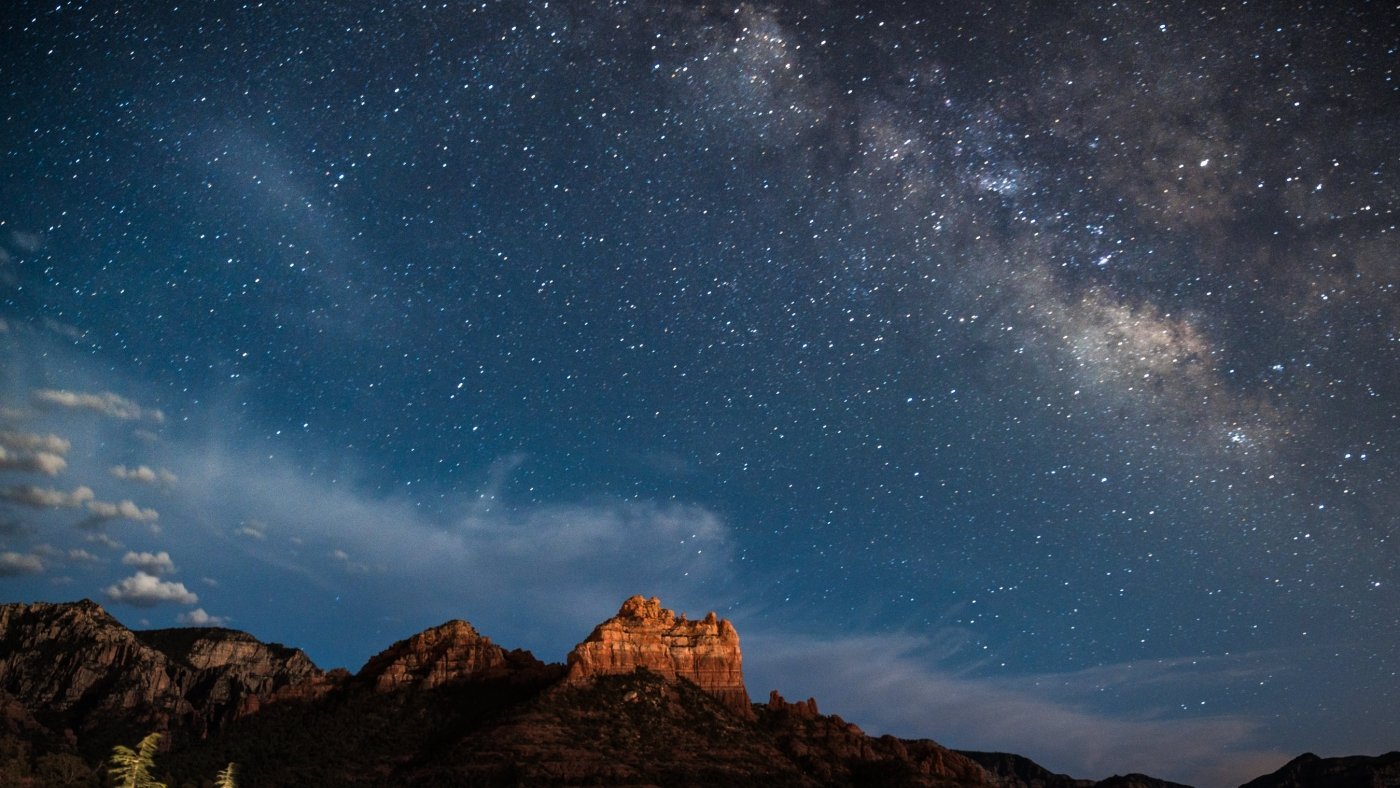
- Sedona became the world’s eighth International Dark Sky Community in 2014, making stargazing part of the destination’s identity.
- Sedona even regulates outdoor lighting to help preserve its dark skies.
- Sedona is home to the world’s only McDonald’s with teal arches rather than the traditional golden arches. The color helps the restaurant blend with Sedona’s distinctive community aesthetic.
- Sedona has become internationally associated with energy vortexes, wellness and spiritual exploration
Oak Creek & Nature
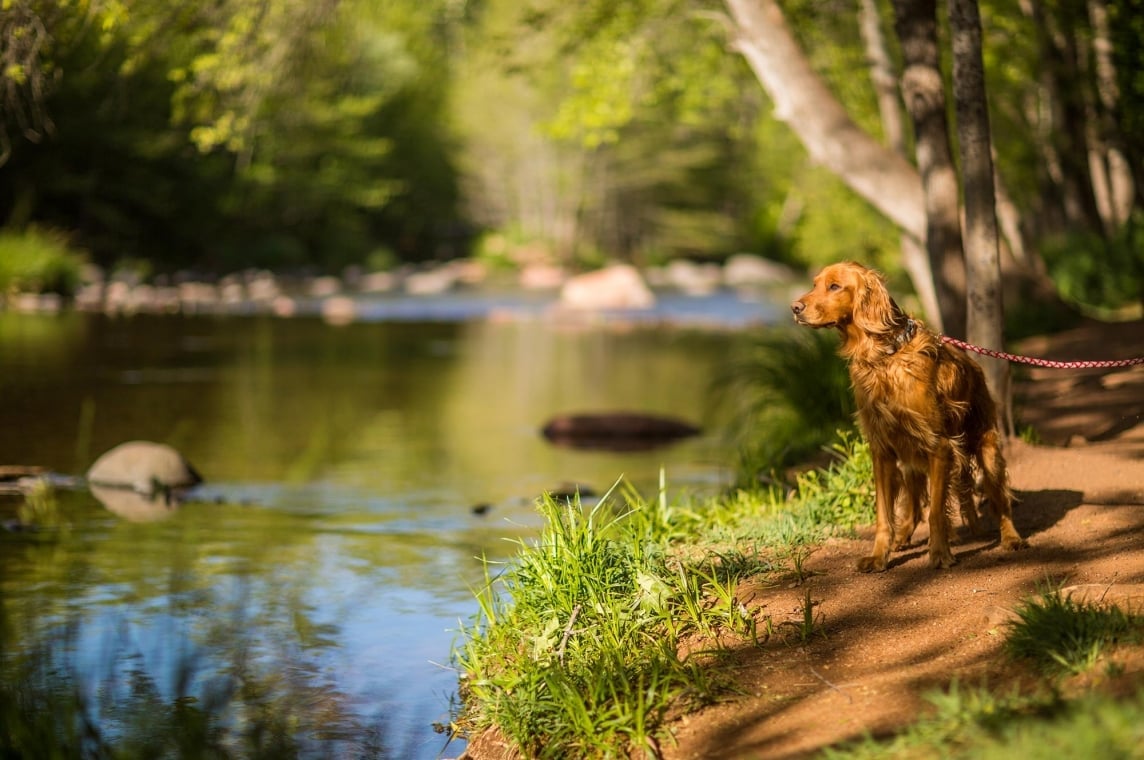
- One of the things that surprises first-time visitors is that Sedona isn’t only desert. Oak Creek creates a lush riparian corridor filled with greenery beneath the red-rock cliffs.
- L’Auberge sits directly on the banks of Oak Creek, creating the unusual juxtaposition of flowing water, towering sycamores and Sedona’s red-rock landscape.
- Around the creek, guests will view ducks, hummingbirds, sycamores, fish, etc.
- The historic Owenby Ditch begins at L’Auberge and continues to Abbott Street, with portions flowing underground. Constructed in the late 1800s to carry irrigation water, the ditch remains active today and is recognized as a City of Sedona historic landmark.
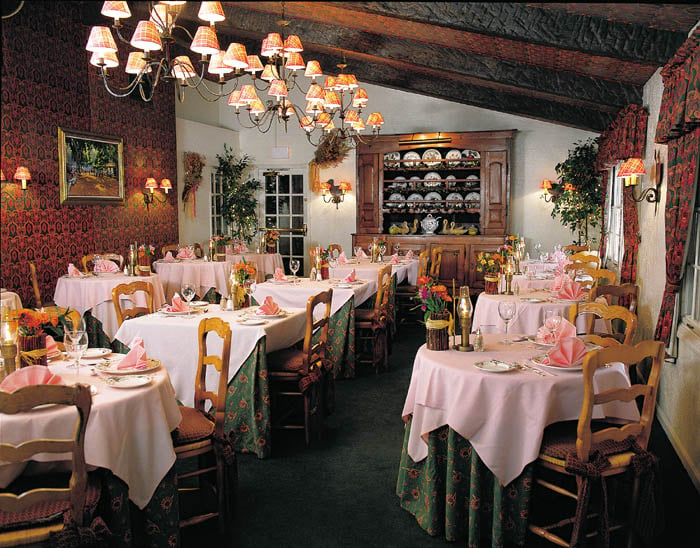
From Orchard to L’Auberge
- Before there was an inn, there was an orchard. In the late 1800s, the land L’Auberge de Sedona occupies today was an apple and peach orchard farmed by some of Sedona’s original settlers.
- L’Auberge has a little bit of Provence in its DNA. Frenchman Janot Rocci envisioned the property as a French Country Inn inspired by the establishments he knew growing up in Provence, blending European charm with Sedona’s natural beauty.
- “L’Auberge” means “The Inn” in French. The name reflects the property’s beginnings as a French-inspired country inn along Oak Creek.
- It all began with just 14 cabins. When L’Auberge opened in May 1984, the original property consisted of 14 cabins and the L’Auberge Restaurant. Today, the resort has 158 guestrooms.
- The Creekhouse dates back nearly to the beginning. The Creekhouse, additional cabins and The Lodge were constructed in 1986, just two years after L’Auberge opened.
- L’Auberge once had a “Hillavator.” Installed in 1986, the uniquely named lift transported guests uphill from L’Auberge to an area just above where the Vista Cottages and Suites are located today.
- Creekside dining has been part of the L’Auberge experience for decades. Terrace on the Creek opened in 1992, bringing breakfast, lunch and dinner to an incomparable setting directly along Oak Creek.
- Wellness has more than 20 years of history here. The Spa at L’Auberge was completed in 2004. After moving locations over the years, the spa eventually returned to its original home.
- The resort continued growing above the creek. The Vista and Spa Cottages, along with the spa pool and parking structure, were added in 2009.
- Cress on Oak Creek took root in 2015. As part of extensive property renovations, the indoor restaurant and Lobby Bar were reimagined, introducing Cress on Oak Creek and strengthening the culinary experience’s connection to its natural surroundings.